Eco-Anxiety: How to Support Our Highly Sensitive Children
The escalating climate crisis is not only impacting the planet but also the mental well-being of our children. Highly sensitive children (HSCs), particularly susceptible to mental health issues, are experiencing heightened levels of anxiety and distress related to climate change. This growing phenomenon, often referred to as “eco-anxiety,” is emerging as a significant concern for parents, educators, and mental health professionals alike.
Summer of 2026
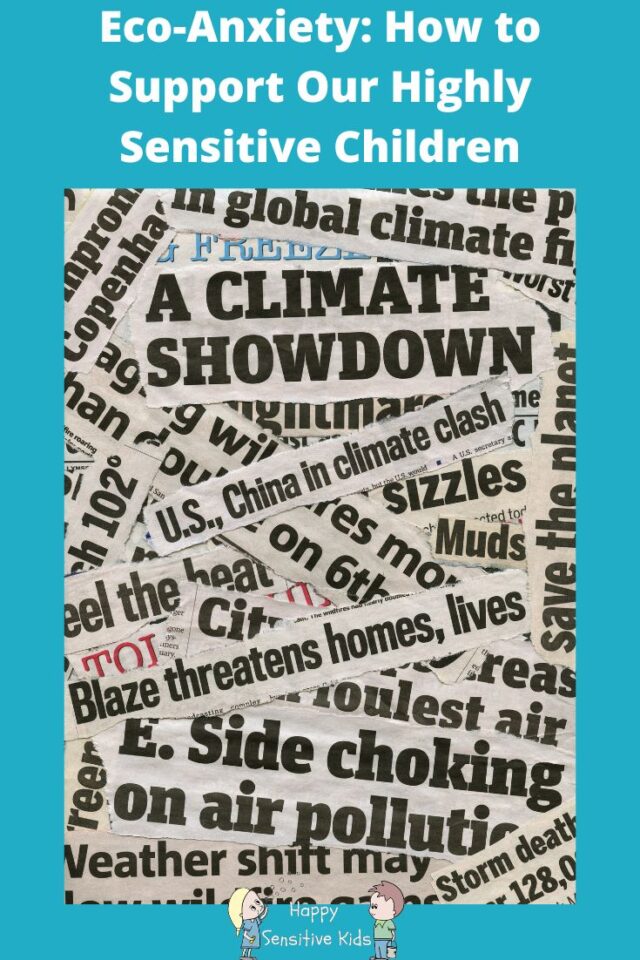
It seems that wildfires plagued last summer in a way we haven’t previously seen. The warmest June on record in Western Europe and the second warmest recorded globally provided the perfect conditions for wildfires.
“This July was the worst on record for wildfires in England, provisional data shows, with England experiencing a clear upward trend in the total number of wildfires recorded.”
“Wildfire activity was severe across much of Europe during the summer of 2026. Between 1 July and 15 September 2026, wildfires burnt more than 555,000 hectares across the EU. Nine fires each burnt more than 10,000 hectares, seven of which were located on the Iberian Peninsula in Spain and Portugal.”
Credit: European Union, Copernicus Emergency Management Service/JRC.
But the situation in Western Europe certainly wasn’t unique. Wildfires raged across the USA, Canada, South America, Australia, North Africa, Japan, Turkey and Indonesia. Wildfire headlines dominated the summer’s press. Extreme heat, dry conditions, human carelessness, forest management practices, warmer nighttime temperatures, droughts. All contributing factors to a summer of wildfires around the globe.
And that’s not even mentioning rising sea levels, disappearing glaciers, flooding… the list goes on.
It is phenomena that is negatively impacting the mental health of our children.
What is eco-anxiety?
According to gov.uk:
Eco-anxiety is the distress and worry that people may feel due to the threat of climate change.
It is also referred to as climate anxiety.
Why children are disproportionately impacted by eco-anxiety
Recent studies indicate that young people, especially those under 25, are disproportionately affected by climate-related distress. The largest global survey on this topic, in 2021, noted that nearly 60% of youth between 16 and 25 were ‘very’ or ‘extremely worried’ about environmental problems.
According to a 2022 Save the Children survey, 70% of UK children are worried about the world they will inherit as climate change impacts the world we live in.
Children have access to a wealth of resources that older generations simply didn’t have growing up. The world is, quite literally, at their fingertips. And so they are aware of increasingly common world climate events (such as the wildfires this summer). They are conscious of the fact that, as the upcoming generation, climate issues will be passed to them to solve. And by the time they are charged with finding solutions, many believe it will be too late – because the present generation is not doing enough to tackle the issues. There is a sense of betrayal, frustration and anger with the lack of action currently being taken.
However, whilst the younger generation is aware they are not able to solve climate change, they are seeing the impact. Directly. Displacement because of flooding, or wildfires. Daily routines impacted by climate events. Take schooling, as an example:
Nearly a quarter of a billion children’s schooling was disrupted by climate crises in 2024 – UNICEF
But eco-anxiety is certainly not limited to those experiencing climate crises first-hand.
What does eco-anxiety look like in children?
So what does eco-anxiety look like? It encompasses feelings of anxiety and fear, helplessness, and worry about the future of the planet. Here is an overview of the reported symptoms of eco-anxiety:
- anxiety
- depression
- hopelessness
- grief (loss of nature/habitat)
- anger
- constant worry
- a sense of betrayal
- feeling scared
- sense of powerlessness
- guilt (am I doing enough to fight climate change?)
- panic attacks
- disrupted sleep
- irritability
- self-isolating
- fatigue
- loss of appetite
In regions severely impacted by climate change, adolescents logically report extreme anxiety, depression, and a pervasive sense of hopelessness about their futures. Adolescents are questioning whether they will have children when they are adults – what kind of world would they be bringing children into?
The intense impact on our HSCs
Eco-anxiety is not just about feelings, it’s about thoughts. What will the future look like?
(As aside note, I actually started feeling despondent writing this post and had to go out for a walk. And it’s unlikely I will be around in 30 years to see the mess that will be left, so I totally understand why our youth feel so hopeless).
This is an issue that has been on my three sons’s minds over the years. There have been comments about the lack of future they may have as climate crises increase. We live in the Netherlands; a significant part of the country lies under sea level. The boys have grown up seeing the maps showing the predicted impact on the country of rising sea levels. It ain’t encouraging.
For HSCs, these emotions can be more intense due to the highly sensitive trait to overthink and think about things deeply, considering all of the consequences. They put themselves in other’s shoes, and can be emotionally distraught about what is happening to others. HSCs are more than capable of picturing worse-case scenarios. They focus on the negatives. They have a heightened sense of injustice, looking at world events and internally screaming asking why no-one is doing anything about the multiple problems.
But there is at least one positive to being a HSC experiencing eco-anxiety…..see nr. 4 below.
Strategies to support HSCs
Parents and caregivers can play a crucial role in helping HSCs navigate eco-anxiety:
- Open Communication: Encourage children to express their feelings about climate change. Children are not looking for you to solve climate change in this moment, but they are looking to you for validation and reassurance.
- Acknowledge Feelings: Don’t dismiss how they feel. Don’t tell them there is nothing to worry about, but talk about any guilt they feel and rationalise their feelings. Discuss individual responsibility.
- Limit Their Exposure and Inform Yourself: Monitor and regulate exposure to distressing news or discussions about climate change, this includes limiting social media use. Provide age-appropriate information and focus on positive actions. Educate yourself so you can tackle mis-information. There are plenty of reliable, informative resources out there to help understanding: NASA, NOAA, National Geographic Kids, Climate Change Resources, Save the Children guide for Parents
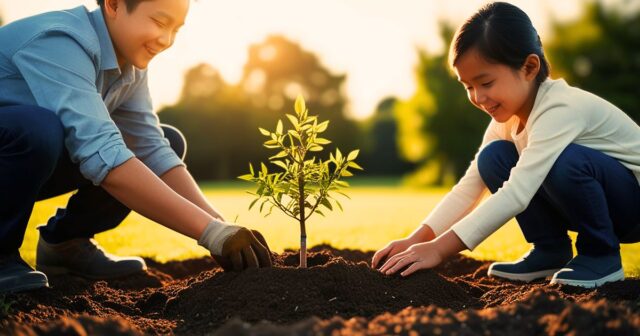
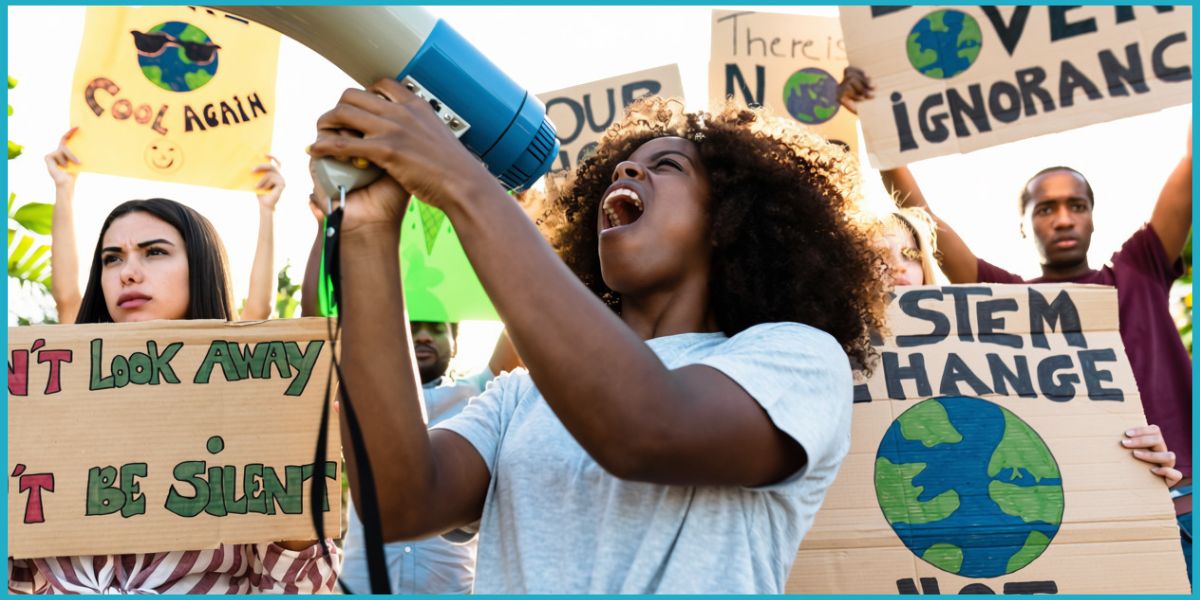
- Promote Empowerment: This is where HSCs may excel. Take action. Engage your children in environmental activities, such as planting trees or participating in community clean-ups, to foster a sense of hope. Encourage them to challenge others to become more engaged or more knowledgable about what action they can take to make positive changes.
- Establish Routines: Consistent daily routines can provide a sense of stability and security amidst environmental uncertainties. Don’t allow the focus of their anxiety to take over their daily lives.
- Seek Professional Support: Whilst eco-anxiety is not a formal diagnosis, some of the symptoms can become overwhelming. if anxiety symptoms persist or interfere with daily functioning, consider consulting a mental health professional, better still, one experienced in working with HSCs.
Moving forward: building resilience
While the challenges posed by climate anxiety are significant, they also present an opportunity to cultivate resilience in our children. By acknowledging their concerns, providing supportive environments, and fostering a sense of agency, we can help HSCs develop coping strategies that not only address their current anxieties but also equip them to face future challenges with confidence and compassion. HSCs have a heightened sense of injustice and are moved to take action where they can – in an age appropriate manner. See this as a strength and encourage them to use this in an advantageous way to play their part in addressing climate change.
“Unless someone like you cares a whole awful lot, nothing is going to get better. It’s not. “— The Lorax