

How to Recognise the Symptoms of Depression and Where to Get Help
Depression impacts the lives of millions of people around the world. It is not just those suffering from depression that live with it, but family and friends too. Recognising the symptoms of depression and seeking professional help are the first steps to being able to cohabit with depression.
What causes Depression?
Depression can be a result of an event in your life or it can be a consequence of the chemical changes in your brain.
Grief, trauma, chronic pain or a life changing event such as retirement are all examples of depression triggers.
There is also evidence that depression can be hereditary, gene related and therefore a familial trait.
“Scientists have for the first time established a genetic cause for depression narrowing it down to a specific chromosome,” reported The Independent . It said that the study has found “clear evidence” that a region on chromosome 3 (called 3p25-26) is linked to severe recurrent depression.”
NHS: Genetic link for depression found
There’s an excellent overview of the different types of depression on Sensitive Evolution.
Depression and Highly Sensitive People
It doesn’t take much to realise that highly sensitive people (HSP) are at greater risk from depression. Here are some examples of why:
- HSPs commonly feel different, that they do not fit in with their environment or the people around them
- Highly sensitives frequently feel overwhelmed by external stimuli due to a sensitive nervous system
- Highly sensitive adults and children alike are often stressed, upset or anxious about negative, violent or unjust events
- HSPs constantly strive for often unattainable perfection, which leads to feeling like a failure and low self worth
- HSPs take care of the needs of others, and negelect themselves
Ways to Recognise the Symptoms of Depression
Depression manifests in many ways. Some people can effectively hide many symptoms (high functioning depression) but there are often signs in some form that should set alarm bells ringing.
Feelings
- Feeling anxious, fearful
- A general feeling of sadness, or being down
- Feeling guilty
- Unable to feel pleasure in anything you do
- Feeling like the colour has been taken out of the world
Behaviour
- A lack of interest in activities that usually bring happiness and joy
- Irritable, angry and frustrated, or even aggressive
- Pushing loved ones away – the feeling that those close to you are better off without you in their lives
- A complete shut down in communication
- An increase in alcohol use, or other addictive substances
- Escapist or risk behaviour
Thoughts
- A low self-worth
- Low self confidence
- Wondering what the point of it all is
- Thoughts of suicide
Physical Symptoms of Depression
- Weight loss or gain and a change in eating patterns
- Either sleeping too much or being unable to sleep
- Constantly tired, lethargic or lacking energy to undertake normal day to day activities
- Unable to concentrate
- Headaches, muscle pains, stomach issues
- Being physically present but absent in every other way
Getting Help
If you suspect depression in someone close to you please seek professional help. Depression is not something you can ‘sort out’ yourself. Someone suffering from depression cannot help themselves. They don’t just snap out of it, as is of the ‘advice’ from those around you.
Talk to your GP in the first instance for guidance.
Whilst talk therapy and antidepressants are available each case needs to be treated on an individual basis. What works for one person may have no impact on another.
Structure helps.
A journal helps to record thoughts, tips, lists of things that help and don’t help, actions that need to be taken, to plan a day. Write down basic reminders to sleep enough, to get outside, to move, to eat healthily.
Getting help helps.
Further Resources
These are four resources that have directly assisted our family and that I can personally reccomend:
I had a black dog, his name was depression: this video made by the World Health Organisation is an incredibly powerful insight into how depression impacts a life, and the loved ones of a depression sufferer.
The Colour Thief – this is a book aimed at children to explain the impact depression has on a person. It is the story of a father who suffers from depression, and how that affects his child. (Amazon UK here).
Reasons to Stay Alive – this book, written by Matt Haig, has had a massive, personal impact on at least two people in my world that I know of. If you want to know how life feels under the cloud of depression, this is certainly one book to read.
Blurt: a UK site with information, resources and everything else you can imagine to support.
- In the even of a crisis visit the Blurt crisis page (UK based) for detailed resources.
- In the Netherlands call 113 for crisis help. More info here.
- In the USA visit the Suicide and Crisis Hotlines page.
Final Words
Depression has recently become personal. It is now a part of my family.
It has been for a long time, but just how big a role it had been playing was hidden. There is no hiding from it now.
I am playing a supporting role as best I can, but it’s one of the hardest and most stressful things I have ever been through.
I am being as strong as I can. But it’s not easy.
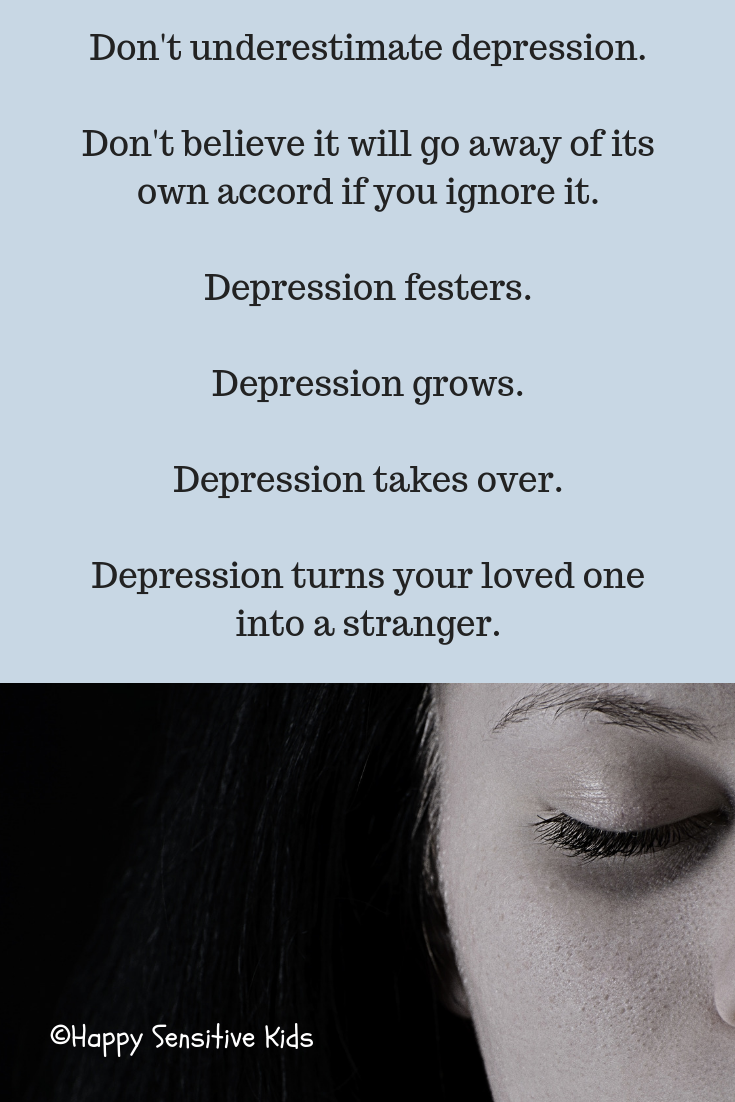
Don’t underestimate depression. Don’t believe it will go away of its own accord if you ignore it. Depression festers. Depression grows. And depression takes over. Depression turns your loved one into a stranger.
If you want to talk about depression reach out to someone. Reach out to me if you want, just reach out to someone. You can email me at amandavanmulligen at gmail dot com if you need an ear.
If you are supporting someone with depression in your family and you have tips then please share.


6 Comments