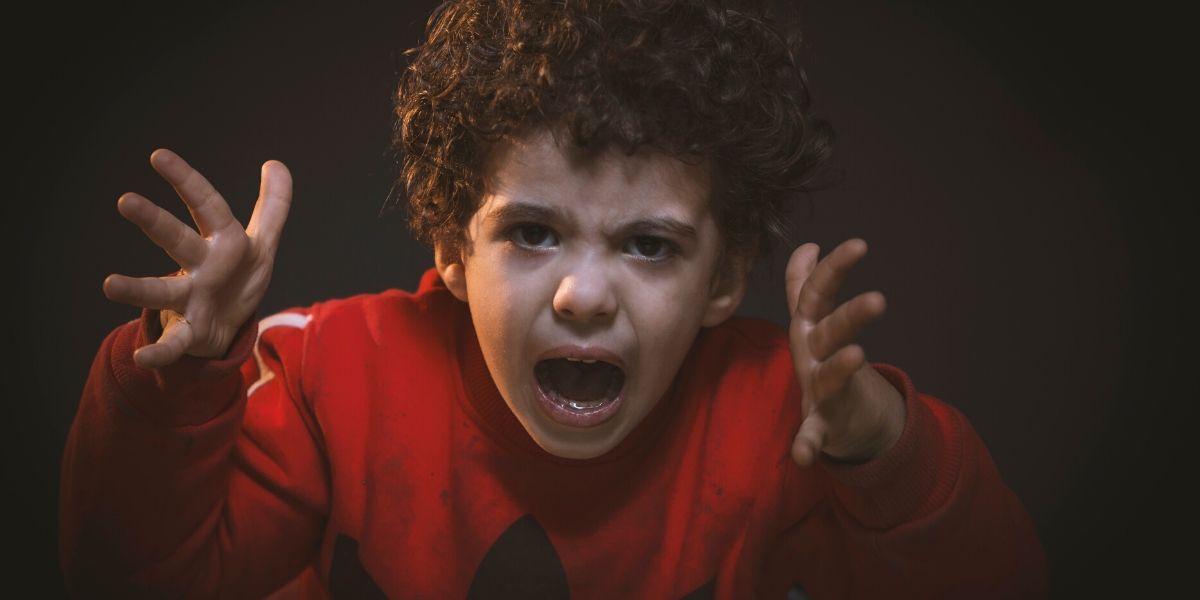
How to Help a Child Recognise Anger
Learning about emotions is an important part of growing up. Emotions matter. And learning how to recognise anger is a big part of our emotional development. If we help our children to learn about their emotions at an early stage they will reap the benefits throughout their adulthood. Which is particularly important when it comes to anger.
Why Learning About Emotions Matters so Much
Almost everything we do is based on our emotions. How many emotions do we experience in a typical day? For a child learning about emotions isn’t something that just happens. Being able to put a name to an emotion doesn’t just happen. It is a learned process. And the earlier the better.
Why Learning About Anger is Important for a Highly Sensitive Child
A highly sensitive child is easily overwhelmed by the world around them. They feel intensely and deeply.
A child often expresses the overwhelm or distress they feel as anger and frustration. And often they don’t understand their intense reaction. They don’t understand the emotion that has overtaken them, as is often the case with anger.
Having already looked at the why of anger, we are then able to help a highly sensitive child put a name to the emotion they feel.

How to Recognise Anger
An important part of the process of learning about emotions is being able to recognise an emotion when it surfaces.
I have lots of experience with trying to help explosive children. It’s tough.
Feeling an emotion without understanding what it is leads to frustration. When an emotion overtakes you, without really understanding what it is, it is scary. Particularly for a child.
It is therefore important to talk to a child about their emotions. Not in the moment, but thereafter. When things are calm again.
Ask your child to think about the moments leading up to an angry outburst. How did it feel? Where in their body did they feel things?
TIP: An effective exercise a children’s coach did with my son was to give him the outline of a person and ask him to label where he feels things when he is angry. Not just in the moment of an outburst but also in the minutes leading up to it. What happens to your body when you become angry?
Here are signs that will help your child recognise anger:
- Heart beats faster
- Head aches
- Tummy discomfort
- Clenched teeth
- Muscles tighten
- Fists curl
- Head becomes ‘cloudy’
- Voice gets louder
- Feet stamping
Helping a child link their physical feelings to an emotion is effective when it comes to learning about emotions.
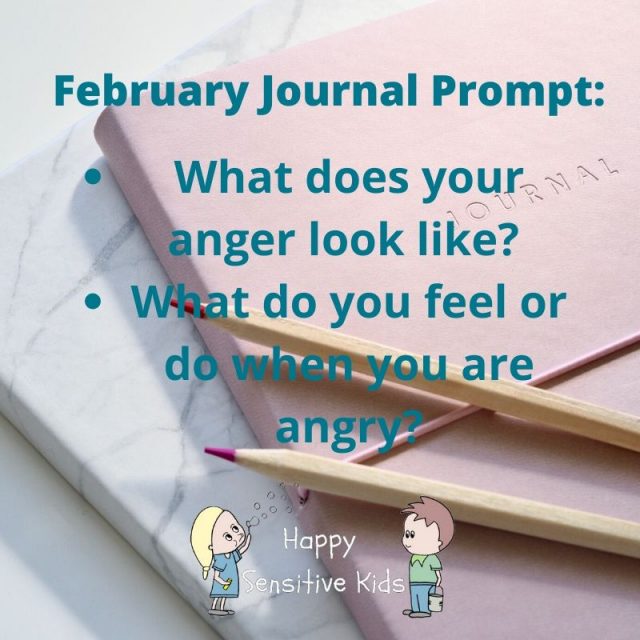
ICYMI: Every month readers receive the Happy Sensitive Kids newsletter. It includes exclusive content. You can sign up for future newsletters here. February’s newsletter contained a prompt for you and your child to work on together on the topic of anger:
Labels Help Children to Learn About Emotions
Once your child has calmed down it helps to sit and talk about the emotion behind the response. How can they recognise anger in the future?
Phrases like, “I see that you are angry” help a child to link their emotion to a word. This gives them tools for the future to be able to communicate their emotions using words, instead of just the physical responses that overwhelm them.
This is not something that happens overnight. But each time we talk with our children about their responses to a situation they are learning about their emotions.
When we talk about their anger we are teaching them to identify their physical responses and their emotion. A child has more control over their emotion if they know what it is.
‘My Feelings Thermometer’ Download
A feelings thermometer is an effective and visual tool to help a child identify how they feel.
With the aid of a feelings thermometer your child is able to establish where they are on the ‘anger chart’. Are they feeling good or about to explode?

You can download the Happy Sensitive Kids “My Feelings Thermometer’ for free. Get your child to colour in the thermometer and write down their warning signs as their anger temperature rises!
TIP: The Big Life Journals are also great tools to help children learn about their emotions. There is one edition for 7 – 10 year olds and another for tweens and teens.


Over to You
What is your best tip to help a child who struggles with explosive anger?
For your convenience, this post includes affiliate links to products and books I find useful for the HSK community. They cost you nothing more to buy, but I get a small commission. This goes towards the costs of running the Happy Sensitive Kids website. For more information read: Affiliate Links