


Warning: Highly Sensitive People Are Prone to Burnout
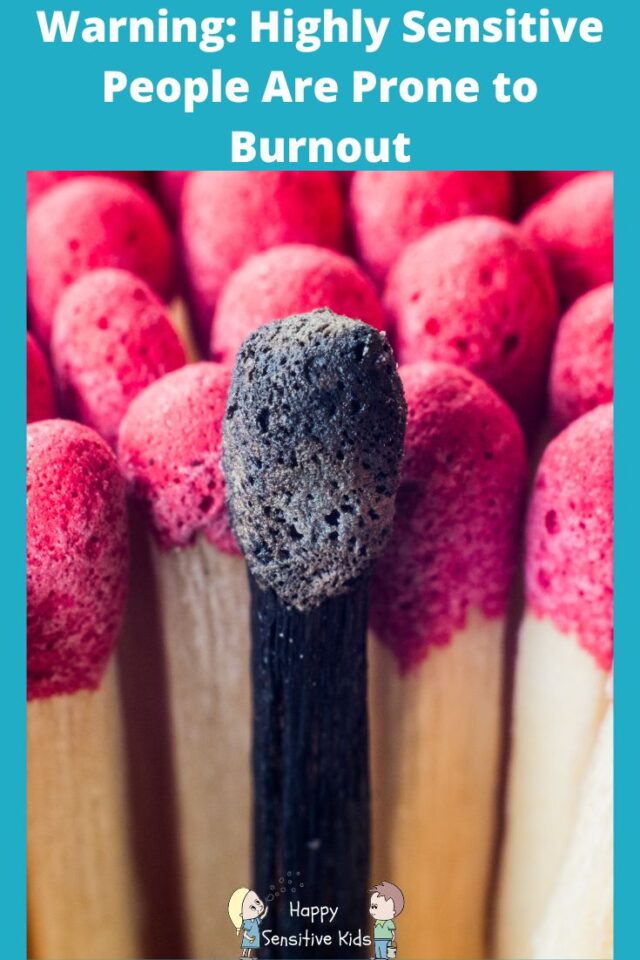
Burnout and highly sensitive people: there’s a scientific correlation. There are a number of common highly sensitive traits which make highly sensitive people susceptible.
Do you know the warning signs of a burnout? And how to recover from a burnout? And what about the real impact of burnout and stress?
What is a Burnout?
A burnout will leave you feeling mentally, emotionally and physically depleted. For the warning signs read: 6 Warning Signs of a Burnout.
There are many reasons for experiencing a burnout; it can be work related or due to the stress of raising a young family, personal issues or emotionally charged events you are currently dealing with.
Whatever the reason, it is important that a burnout is not ignored.
TIP
Listen to Susan Stiffelman’s ‘Beyond Burnout: First Aid for Parents‘, with Dr. Michele Borba, Leslie P. Arreola-Hillenbrand, and Dr. Mona Delahooke. This is a special Master Class on coping with overwhelm, exhaustion, and burnout.
Why are Highly Sensitives at Risk from Burnout?
The fact is that being highly sensitive means possessing traits that make you prone to a burnout (as well as depression):
- Deep thinking about big issues.
- Intense stimuli processing.
- Melancholy.
- Perfectionism.
- Conscientious.
- Strong work ethic.
- Finding it hard to say no.
- Soaking up loved ones’ emotions.
All of these traits add up and can make a HSP prone to unhealthy stress.
When you are processing the world around you intensely your reactions to stimuli are usually intense too.
HSPs need to work hard to keep control of their own boundaries, often feeling lost when others are stepping over them. That’s the consequence of being a people pleaser.
Highly sensitive people are more easily overstimulated by their environments. They need lots of downtime to process and recharge from all this input.
This is not always easy in workplaces that are designed for the majority who is not highly sensitive: open plan offices; constant noise; consistent pressure to interact; interruptions from colleagues; air conditioning all day long; business travel. You get the idea.
The consequence is that it can all become too much and a consistent level of overwhelm will eventually have a physical and mental impact on your wellbeing.
TIP
Take a look at the HSP Brain Training by Julie Bjelland, LMFT, a psychotherapist, author, and founder of Sensitive Empowerment. This course will help you learn practical tools to reduce anxiety and calm emotional overwhelm.
6 Steps to Recover from a Burnout
Prevention is obviously better than having to recover and there are great tips over on Sensitive Revolution to this end.
However, if you realise you are suffering then you need to seek help. Successful recovery will be unlikely alone.
Here are 6 steps to recovery:
- Talk to Someone and Ask for Help
- Rest and Recuperation
- Find an Outlet for Your Emotions
- Eat Healthily
- Be Mindful
- Reassess Your Job After Your Recovery
To read more detail about each step read my article: 6 things to do to recover from a burnout.
Resources

Read the 45 page Burnout and Capacity Guide by Julie Bjelland, LMFT. Because this guide has been written specifically for sensitive and neurodivergent people, it goes further than the usual burnout help material.
General Reads

Beyond Anxiety: Curiosity, Creativity, and Finding Your Life’s Purpose by Martha Beck.
I’ve recently read Beyond Anxiety: Curiosity, Creativity, and Finding Your Life’s Purpose by Martha Beck, and I highly recommend it to anyone who finds themselves caught up in anxiety, overthinking, or the feeling that fear is holding them back.
What I particularly loved is the way Beck encourages us to move beyond simply trying to stop anxiety. Instead, she introduces the idea of glimmers – those small moments of curiosity, possibility and joy – and shows how paying attention to them can open the door to a different way of thinking.
The emphasis on curiosity and creativity really resonated with me. Rather than allowing anxious thoughts to take over, Beck encourages us to make space for a more creative, open way of approaching life. I found this a genuinely helpful perspective for tackling feelings and episodes of anxiety.
If you’re looking for a book that offers a fresh perspective on anxiety and encourages you to reconnect with curiosity, creativity and what really matters to you, this is one I’d put on your reading list.

Another great read by the same author. Sometimes it is a question of listening to yourself, really listening to yourself. This is a book that will help you do just that. Martha Beck encourages us to look beyond the expectations, obligations and assumptions that can quietly shape our lives, and start paying attention to what we actually want. She explores how to recognise the difference between a life that looks right on the outside and one that genuinely feels right on the inside.
What I particularly love is the idea of finding your own “North Star” – that internal sense of direction that can help you make choices that are more aligned with who you are and what matters to you.
It’s the kind of book that makes you stop and question some of the stories you’ve been telling yourself about what you should do, who you should be and what success is supposed to look like.
If you’re at a crossroads, feeling stuck, or simply wondering whether there’s more to life than following the expected path, I’d definitely recommend giving this one a read.

The Gifts of Imperfection: Let Go of Who You Think You’re Supposed to Be and Embrace Who You Are by Brene Brown
Some books you read and enjoy. Others have a way of staying with you long after you’ve finished them. The Gifts of Imperfection is one of those books for me.
Brené Brown explores something many of us struggle with: the pressure to be who we think we’re supposed to be. To have it all together. To be successful, happy, confident, productive – and, somehow, never quite enough.
What I love about this book is its gentle reminder that we don’t have to become a different version of ourselves to be worthy, fulfilled or enough. Instead, Brown encourages us to let go of perfectionism and embrace the person we actually are – imperfections and all. We are, after all, who we are.
It’s honest, reassuring and, at times, wonderfully uncomfortable. Most importantly, it makes you stop and think about how much energy you spend trying to live up to expectations that may not even be your own.
If you’ve ever felt that you should be doing more, achieving more or somehow being more, I think this book is well worth reading.
Sometimes the most freeing thing we can do is stop trying to be who we think we’re supposed to be.
For Mothers

Mommy Burnout: How to Reclaim Your Life and Raise Healthier Children in the Process by Sheryl G. Ziegler
For Teachers
Teacher’s Field Guide: 7 Truths About Teaching to Help You Start off Strong, Avoid Burnout, and Stay in Love with Teaching by Kerry Hemms

“Fifty percent of new teachers leave the profession within the first five years.
Of those who stay, most go through periods of burnout.”Enough said.
*A little note about links: Some of the links in my posts are affiliate links. If you decide to buy something through one of them, it won’t cost you anything extra, but I may receive a small commission. These commissions help me cover the costs of running Happy Sensitive Kids and creating resources for our HSK community. Thank you for your support — it really does help!*





6 Comments